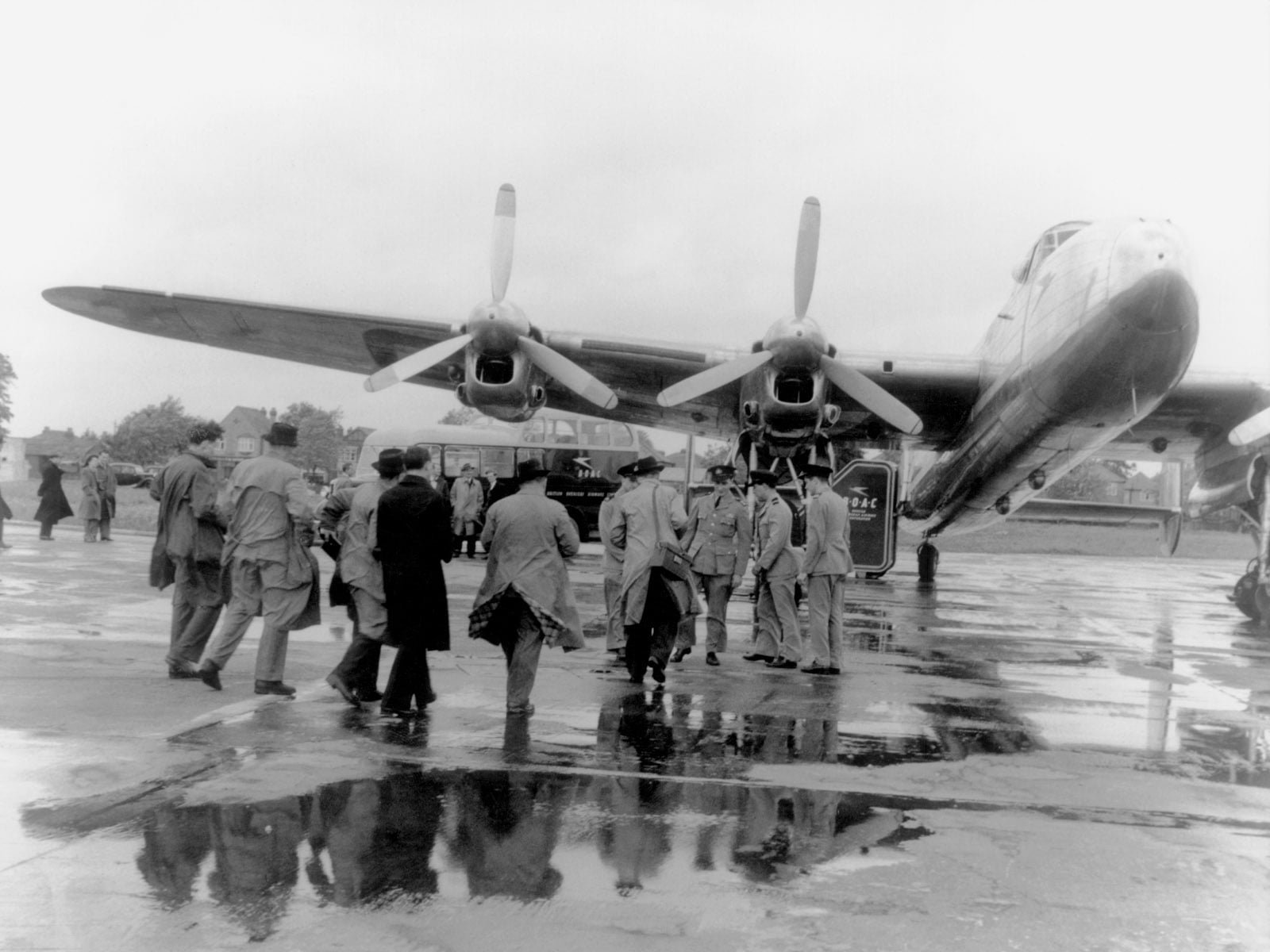
Heathrow’s story is not only about aircraft, runways and terminals. It is also about the way people arrive in London. From the early post-war days of pioneering long-distance aviation to today’s international business travel, family arrivals, luxury hotel transfers and private chauffeur journeys, Heathrow has become part of London’s global identity.
From London Airport to Heathrow
Heathrow began its civil aviation story in 1946 under the name London Airport. Its earliest commercial years were very different from the airport passengers know today. There were no polished terminals, no modern lounges and no fast digital arrival experience. Early passenger handling took place in temporary buildings and tents, with basic facilities and a far more adventurous form of travel.
Heathrow’s early story is closely linked with Starlight, a converted Lancaster bomber that became part of the airport’s first post-war passenger chapter. The aircraft flew from London Airport to Buenos Aires, representing a very different era of long-distance travel — slower, more complex and more demanding than the journeys passengers take today.
Now: Heathrow is a global gateway where passengers expect precision, privacy and seamless onward travel.
Why 1946 still matters
The year 1946 marked the beginning of Heathrow’s transformation from a post-war airfield into Britain’s main international airport. The airport officially opened for civilian use as London Airport in 1946, and over the following decades it grew into one of the world’s most recognised aviation hubs.
The contrast is striking. Early Heathrow passengers walked through simple facilities. Today, international travellers arrive through major terminals, connect across global routes and continue into London for business, diplomacy, private family travel, finance, luxury hospitality, education, shopping and onward journeys across the United Kingdom.
The arrival experience has changed
In the earliest days of Heathrow, simply flying into London was remarkable. Today, the flight is only one part of the journey. For many passengers, the first hour after landing is just as important as the flight itself.
After a long-haul journey, clients want certainty. They want a clear pickup, a professional chauffeur, support with luggage, privacy, direct communication, a suitable vehicle class and a calm journey to the final destination.
That expectation is especially important for passengers arriving from major international routes into Heathrow — whether from New York, Los Angeles, Miami, Chicago, Dallas, Philadelphia, Dubai, Abu Dhabi or other global cities.
International arrivals into Heathrow
Heathrow chauffeur routes connected to today’s global traveller.
Black Fleet London supports premium Heathrow arrivals with dedicated route pages for clients flying into London from key international cities and regions.
New York JFK to Heathrow
Private Heathrow chauffeur service for New York arrivals, finance clients and luxury hotel transfers.
View JFK route → USA arrivalsLos Angeles to Heathrow
Discreet Heathrow arrival service for LA passengers, VIP guests and private clients.
View LA route → USA arrivalsMiami to Heathrow
Premium Heathrow transfer for Miami families, cruise passengers, hotel guests and leisure travellers.
View Miami route → USA arrivalsChicago to Heathrow
Executive Heathrow chauffeur service for corporate, finance, consulting and legal travellers.
View Chicago route → USA arrivalsDallas to Heathrow
Private chauffeur arrivals for Dallas passengers travelling into London and wider UK destinations.
View Dallas route → USA arrivalsPhiladelphia to Heathrow
Refined private Heathrow arrival service for Philadelphia passengers travelling to London.
View Philadelphia route → UAE arrivalsDubai to London
Premium chauffeur support for Dubai passengers arriving into Heathrow and London.
View Dubai route → UAE arrivalsAbu Dhabi to London
Private chauffeur arrivals for Abu Dhabi passengers, families and executive travellers.
View Abu Dhabi route → UAE arrivalsUAE to London
Dedicated chauffeur service for UAE families, private clients and VIP arrivals into London.
View UAE route →From Starlight to today’s premium Heathrow arrivals
Starlight represents an earlier chapter of British aviation — a moment when international flight was still rare and remarkable. Today, Heathrow is part of everyday global movement, but the importance of the arrival experience has not disappeared.
A client arriving into Heathrow may be heading to a board meeting in Canary Wharf, a hotel in Mayfair, a private residence in Knightsbridge, a family stay in Kensington, a shopping appointment near Harrods, a cruise connection to Southampton or a private UK destination beyond London.
The modern Heathrow arrival is no longer simply about leaving the airport. It is about beginning the London experience properly.
Modern London arrivals
Where Heathrow passengers continue after landing.
Heathrow Airport Chauffeur Service
Premium chauffeur support for Heathrow arrivals, departures and onward London travel.
View Heathrow service →Heathrow to Mayfair
Private transfers to Mayfair hotels, residences, Berkeley Square and luxury addresses.
View Mayfair route →Heathrow to Canary Wharf
Executive transfers for finance, banking, legal and corporate travellers.
View Canary Wharf route →Heathrow to Knightsbridge
Refined transfers to Knightsbridge hotels, residences and luxury London addresses.
View Knightsbridge route →Heathrow to Harrods
Premium chauffeur support for luxury shopping and Knightsbridge arrivals.
View Harrods route →Heathrow to Southampton Cruise Port
Private long-distance transfers for cruise passengers and onward UK travel.
View Southampton route →Black Fleet London and Heathrow today
Black Fleet London provides premium Heathrow chauffeur services designed around timing, comfort and discretion. Our Heathrow transfers support international arrivals with fixed pricing, flight-aware planning, meet and greet, luggage assistance and a choice of vehicle classes for different passenger and luggage requirements.
Eighty years after Heathrow’s early aviation story began, the airport remains one of the most important gateways into the United Kingdom. For Black Fleet London, every Heathrow arrival is treated as more than transport — it is the first part of the client’s London experience.
Vehicle classes
Premium vehicle classes for Heathrow arrivals.
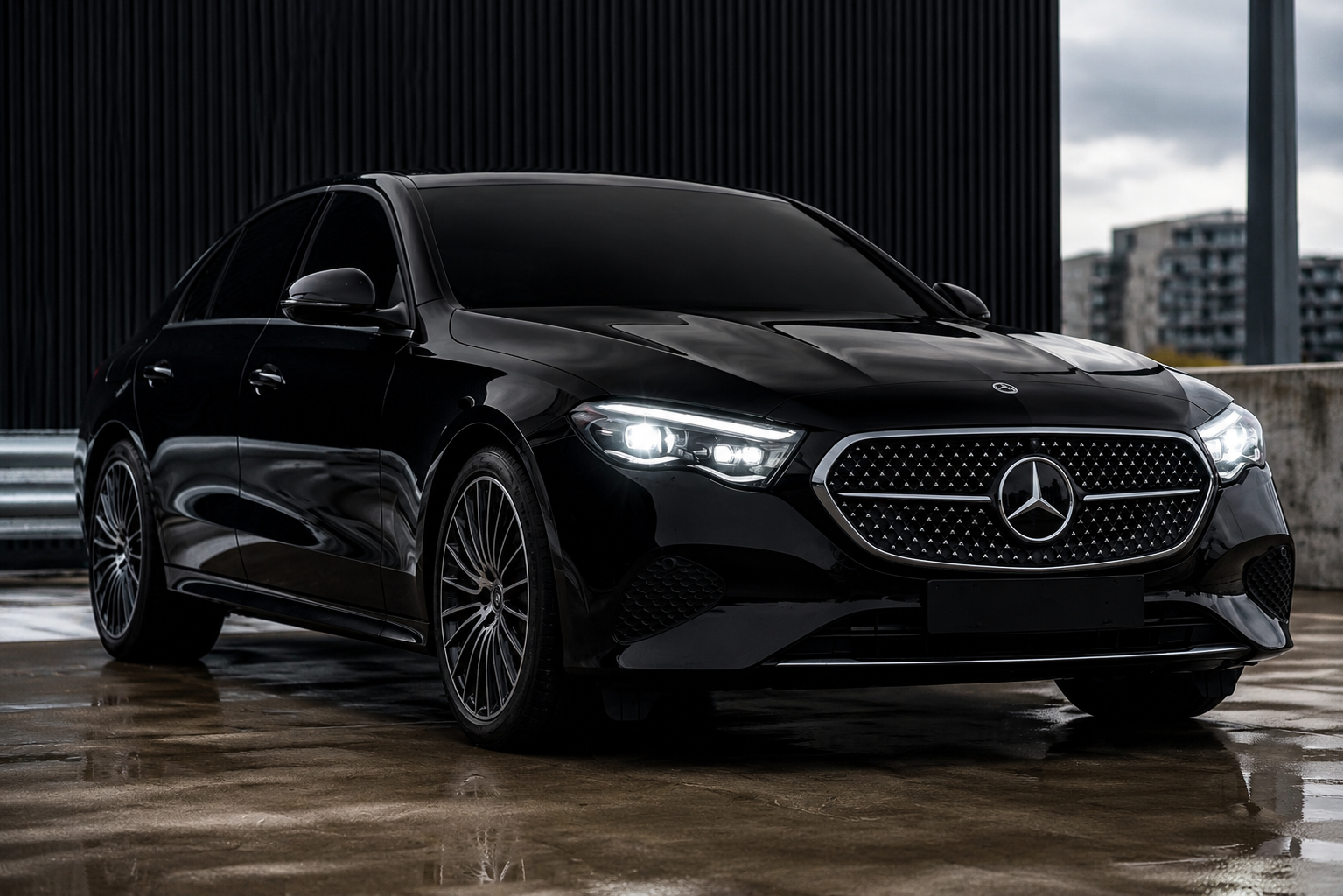
Business Class
Up to 3 passengers and up to 2 standard suitcases.
View Business Class →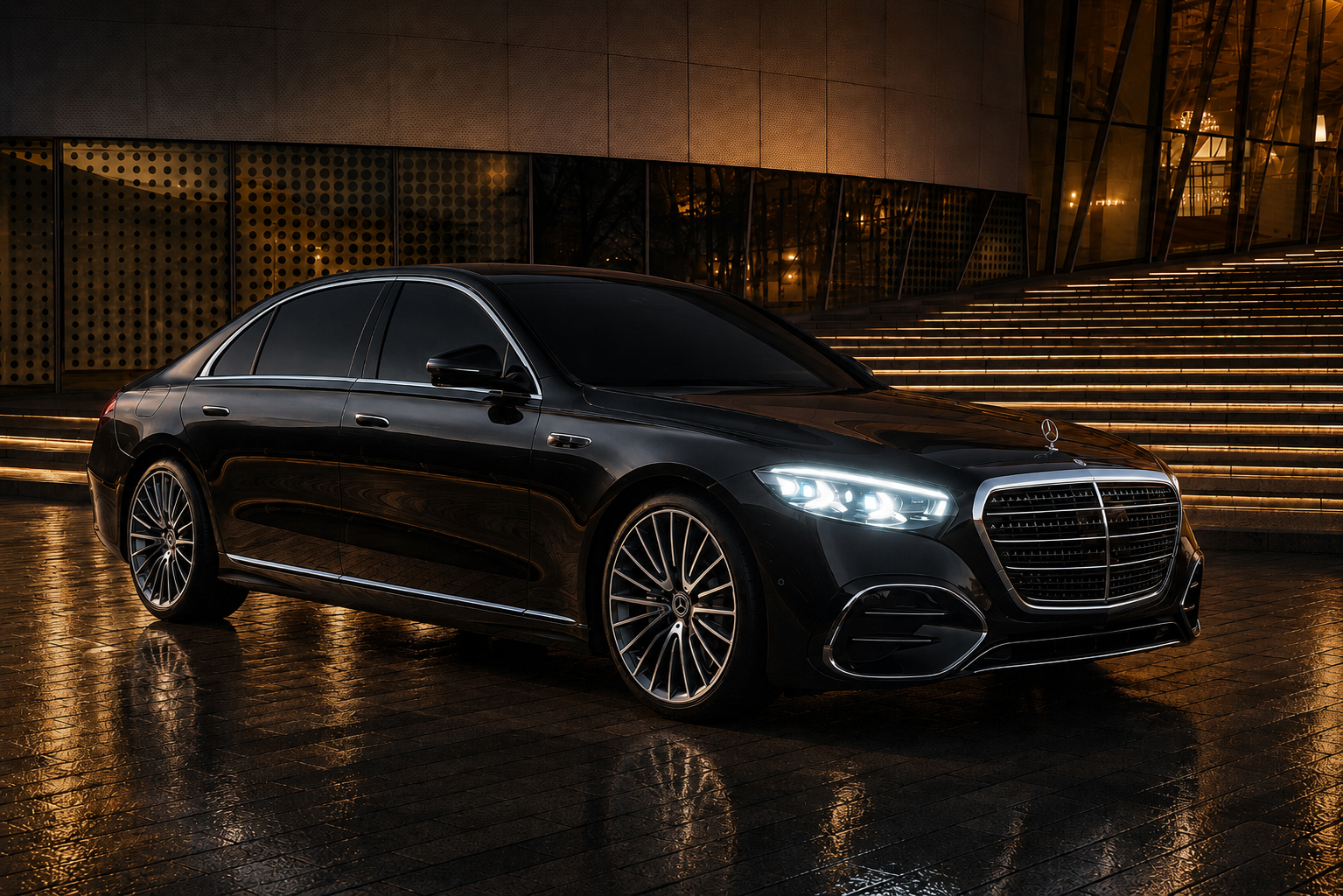
First Class
Up to 3 passengers and up to 2 standard suitcases.
View First Class →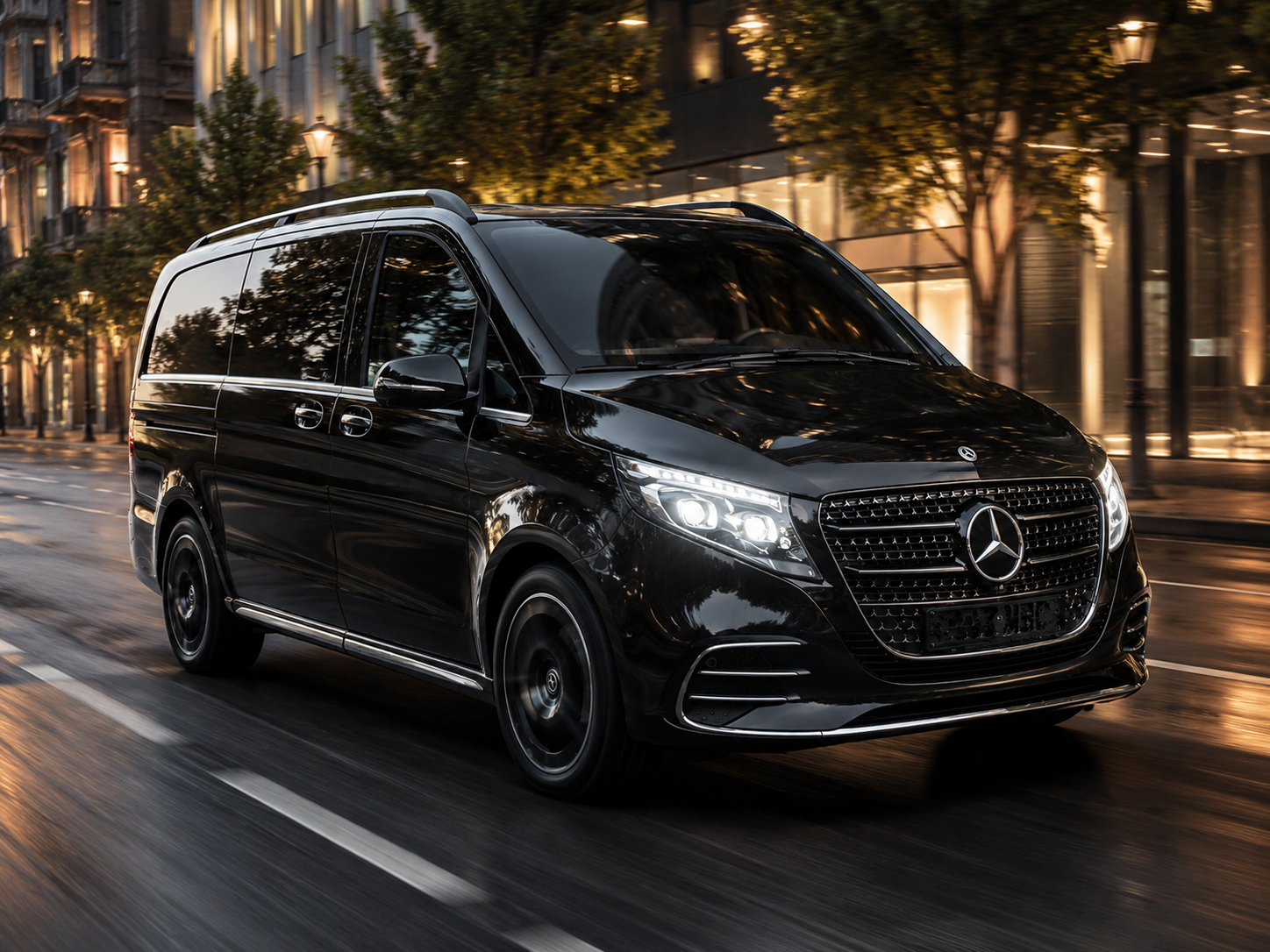
Business MPV
Up to 6 passengers and up to 6 standard suitcases.
View Business MPV →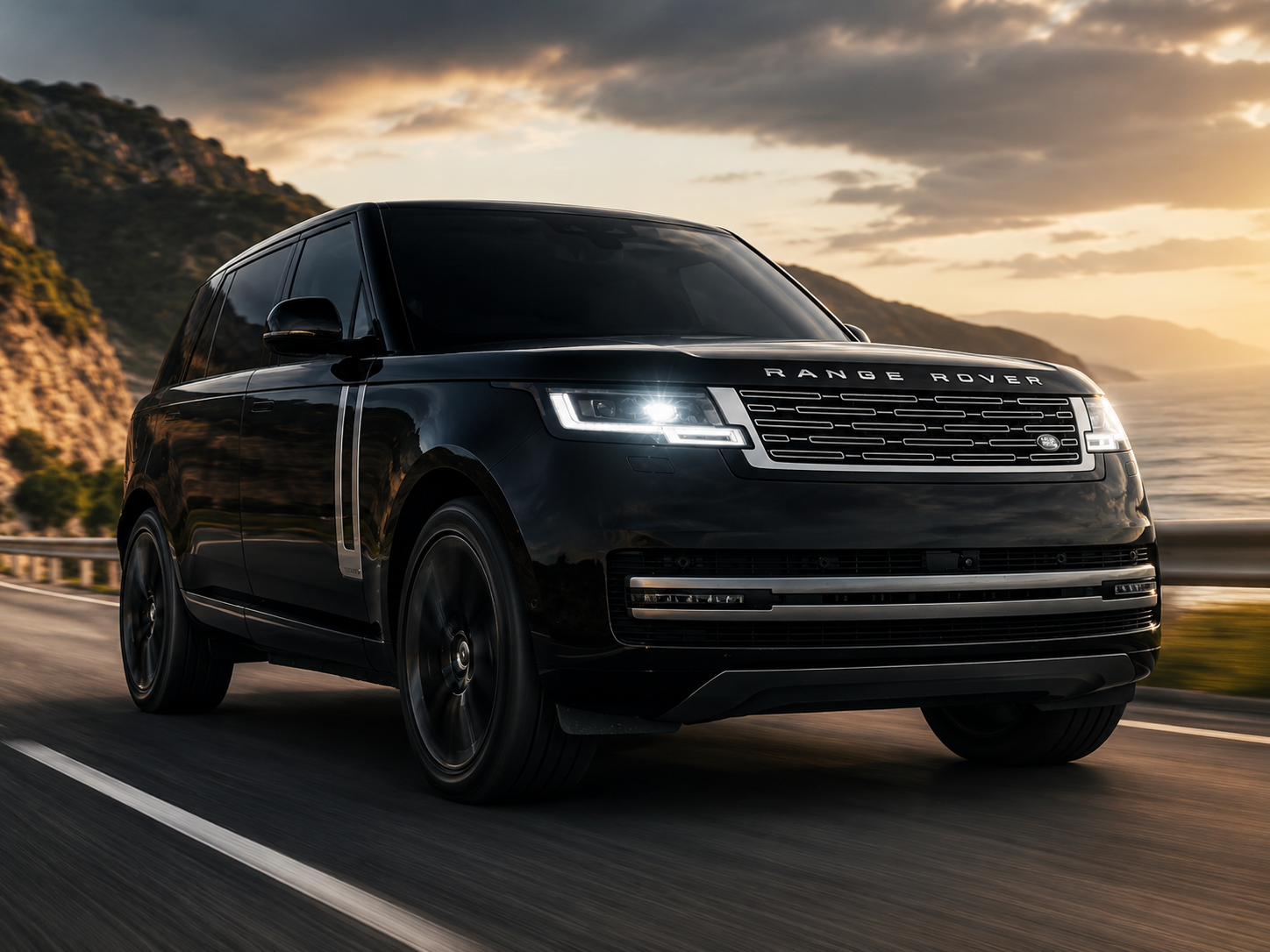
Luxury SUV
Maximum 3 passengers and up to 2 large suitcases.
View Luxury SUV →Historical sources
This article is based on publicly available historical material from Heathrow, including Heathrow’s anniversary articles and official history pages. Readers can explore further through:
Arriving at Heathrow?
Arrive ready. Leave relaxed.
Book a premium Heathrow chauffeur service with Black Fleet London for a calm, private and professionally managed journey into Mayfair, Canary Wharf, Central London, Knightsbridge, Southampton or wider UK destinations.